01ABOUT

A multidisciplinary practitioner between strategy and delivery.

My work spans management consulting, business development, project management and learning & capability development — connected by one method: Understand → Design → Deliver → Enable.

Facilitation & Workshops
Professional story

My work spans management consulting, business development, project management and learning & capability development — connected by one method: Understand → Design → Deliver → Enable.

Practice philosophy

Understand → Design → Deliver → Enable

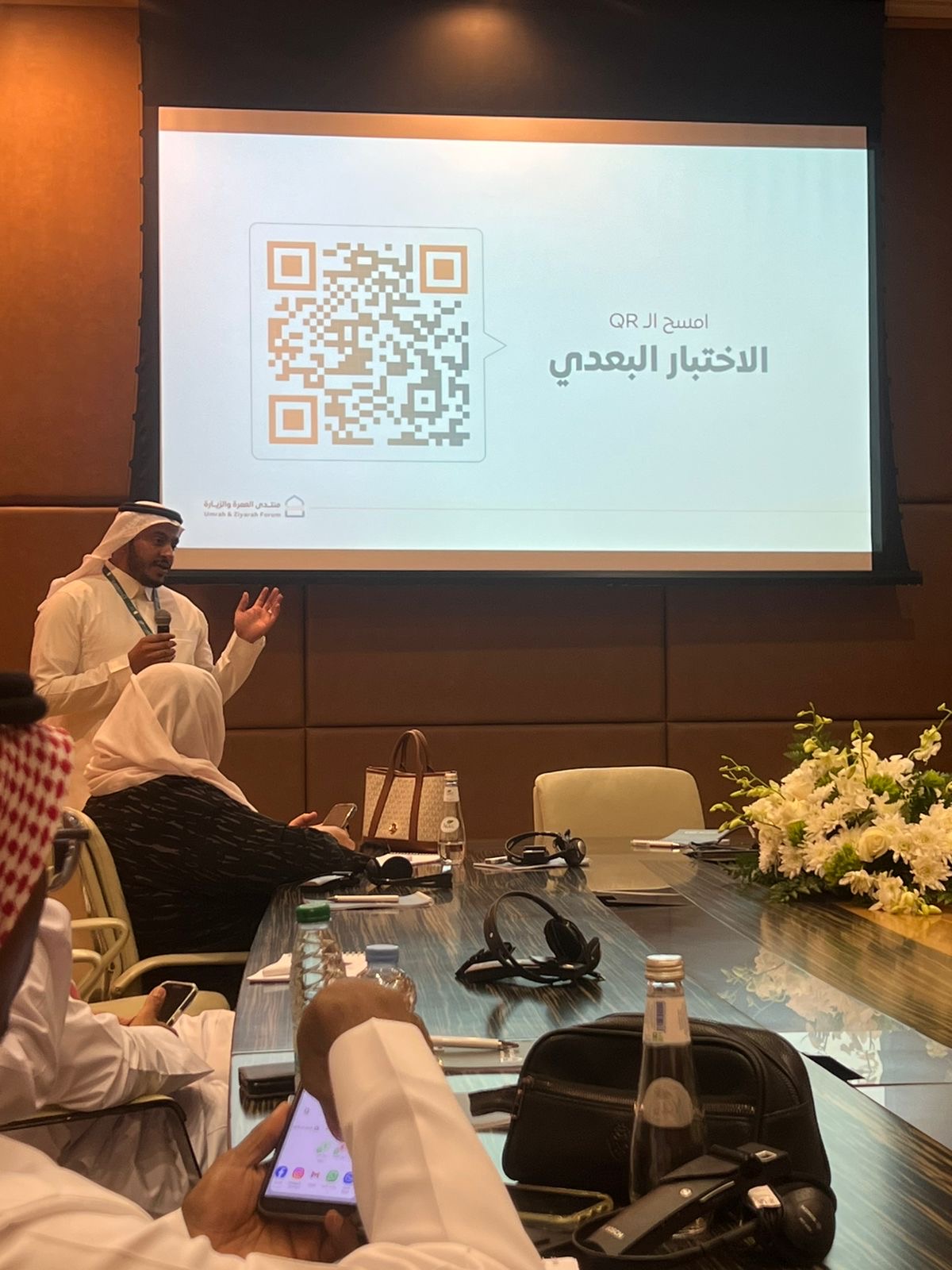
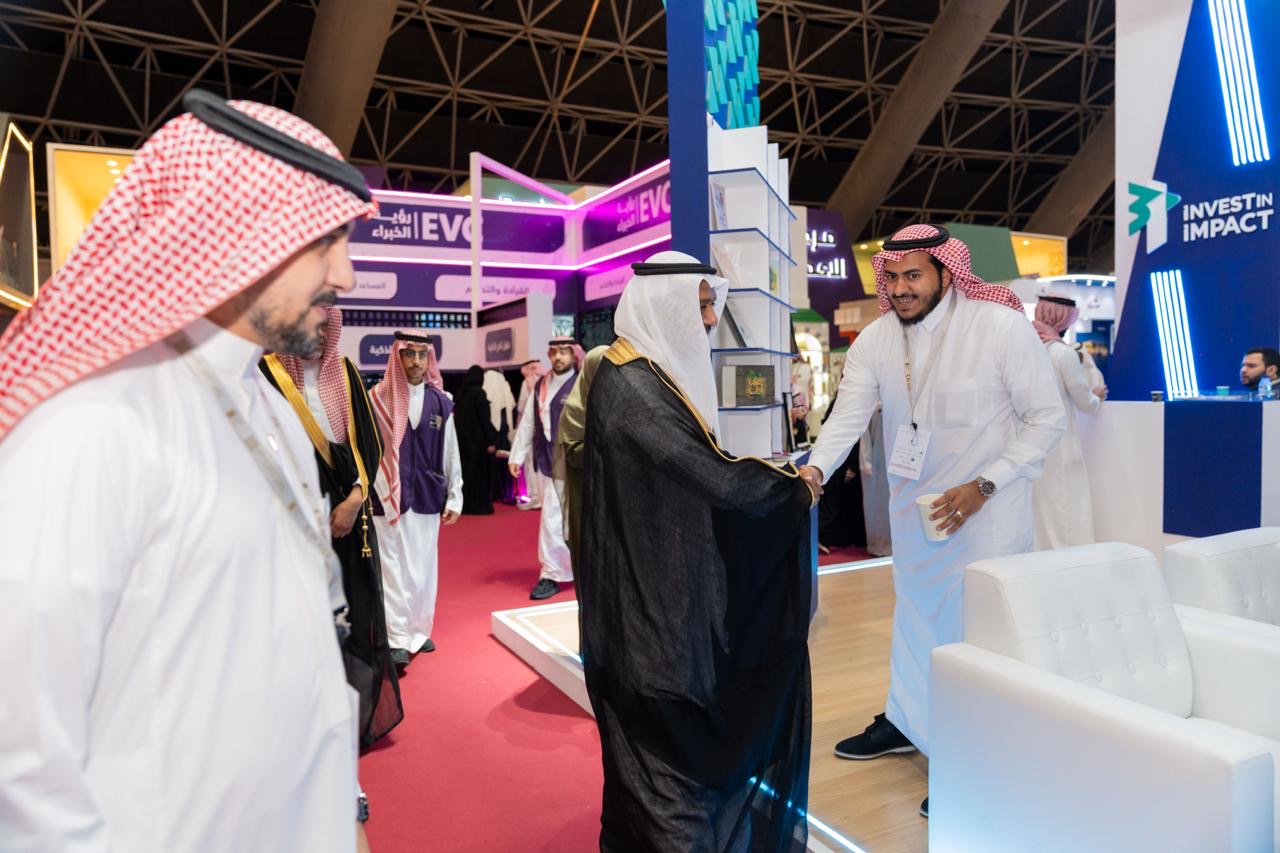
Facilitation, workshops and professional community.
  1. 01

    My professional grounding began in analysis and research. A physics background trained me to frame problems precisely, work from evidence, and stay with a question until the structure underneath it becomes visible. That habit still shapes how I open every engagement.

  2. 02

    From analytical and research work I moved into project environments, where the discipline shifted from understanding a problem to delivering against it — planning, coordination, governance, risk and the day-to-day accountability of making committed work happen.

  3. 03

    Delivery experience led naturally into consulting. Working close to execution showed me why strategies stall: not because the thinking is weak, but because the translation into structure, ownership and sequencing is missing. I began working on that translation directly — operating models, governance, transformation design and organizational solutions.

  4. 04

    In parallel, I developed a business development practice: qualifying opportunities, running needs analysis, designing technical solutions, building proposals and structuring partnerships. It taught me to define a solution in the client's terms before defining it in my own.

  5. 05

    The thread that ties it together is capability. Repeatedly, the constraint was not strategy or process but whether people could actually perform the work. That drew me into learning and capability development — occupational standards, competency frameworks, learning strategy, ADDIE-based design, training ecosystems and evaluation.

  6. 06

    Today I work across all four domains, in Arabic and English, in public, non-profit and private sector environments — and I measure a good engagement by what the organization can do without me afterwards.
PHILOSOPHY

Working philosophy

Four movements, applied whether the engagement is a strategy, a portfolio or a capability system.

  1. 01

    Understand

    Start with evidence — stakeholders, constraints, data and the real problem underneath the stated one.

  2. 02

    Design

    Structure the solution: scope, model, methodology and roadmap, so decisions are clear before resources are committed.

  3. 03

    Deliver

    Execute with governance, risk management, performance monitoring and visible progress against milestones.

  4. 04

    Enable

    Transfer capability, method and ownership to the people who stay, so results continue after the engagement ends.

05WORKING PATTERNS

The five patterns behind how I approach work.

My CliftonStrengths top five is not a test result on display — it is a practical description of how I organise complexity, engage people, and create value under real working conditions.

  1. 01

    Arranger

    المنسّق

    Orchestration over scheduling

    What this looks like in practice

    I read work as a living system of people, priorities, tasks, stakeholders and resources — and I keep rearranging that system until the parts genuinely work together. In multi-stakeholder programmes, training initiatives and governance work, this shows up as continuously reconfiguring sequence, ownership and capacity as conditions shift, rather than defending a plan that no longer fits.

    Where it shows up
    • Multi-stakeholder programmes
    • Governance & process work
    • Parallel workstreams
  2. 02

    Achiever

    المنجز

    Momentum and ownership

    What this looks like in practice

    I have a strong need to convert ideas into completed outputs and visible progress. My professional pattern is execution: moving from analysis and planning into actual deliverables, improving the process while running it, carrying several initiatives at once, and treating my own professional development with the same discipline. The emphasis is on finishing well, not on being busy.

    Where it shows up
    • From plan to deliverable
    • Concurrent initiatives
    • Process improvement
  3. 03

    Individualization

    تفريد الأشخاص

    Tailoring, not templating

    What this looks like in practice

    I notice what makes each person and each audience different instead of working from a single profile. In capability development, facilitation, stakeholder engagement and experience design, my instinct is to ask what this specific group actually needs, and then adapt roles, learning paths and communication to match. It is the difference between delivering a programme and designing one that fits.

    Where it shows up
    • Capability development
    • Facilitation
    • Stakeholder engagement
  4. 04

    Input

    حب جمع المعرفة

    Collect, organise, reuse

    What this looks like in practice

    I am naturally drawn to gathering useful material — frameworks, reports, references, methodologies and real examples — before shaping a solution. This feeds consulting work, needs analysis, research and learning design. The collection is not an end in itself: I organise it and reuse it deliberately, so each new engagement starts from accumulated practice rather than from a blank page.

    Where it shows up
    • Needs analysis
    • Research & benchmarking
    • Learning design
  5. 05

    Significance

    التأثير

    Work that leaves something behind

    What this looks like in practice

    I am motivated by work that matters and leaves a contribution beyond a completed task. That preference is visible in the initiatives I gravitate toward: institutional capability, workforce development, governance, nonprofit development and improving service ecosystems. The drive is toward meaningful contribution and professional legacy — a standard for choosing work, not a need for recognition.

    Where it shows up
    • Institutional capability
    • Workforce development
    • Service ecosystems
WORKING PATTERNS

One operating pattern

Taken together, the five themes describe one professional operating pattern: gather the knowledge, understand the people, organise the complexity, drive the execution, and look for impact that outlives the project itself.

CliftonStrengths® Top 5 · Gallup

CliftonStrengths® is a trademark of Gallup, Inc. Themes are reported as assessed; no endorsement or affiliation is implied.

BEYOND THE DESK

Facilitation, workshops and professional community.

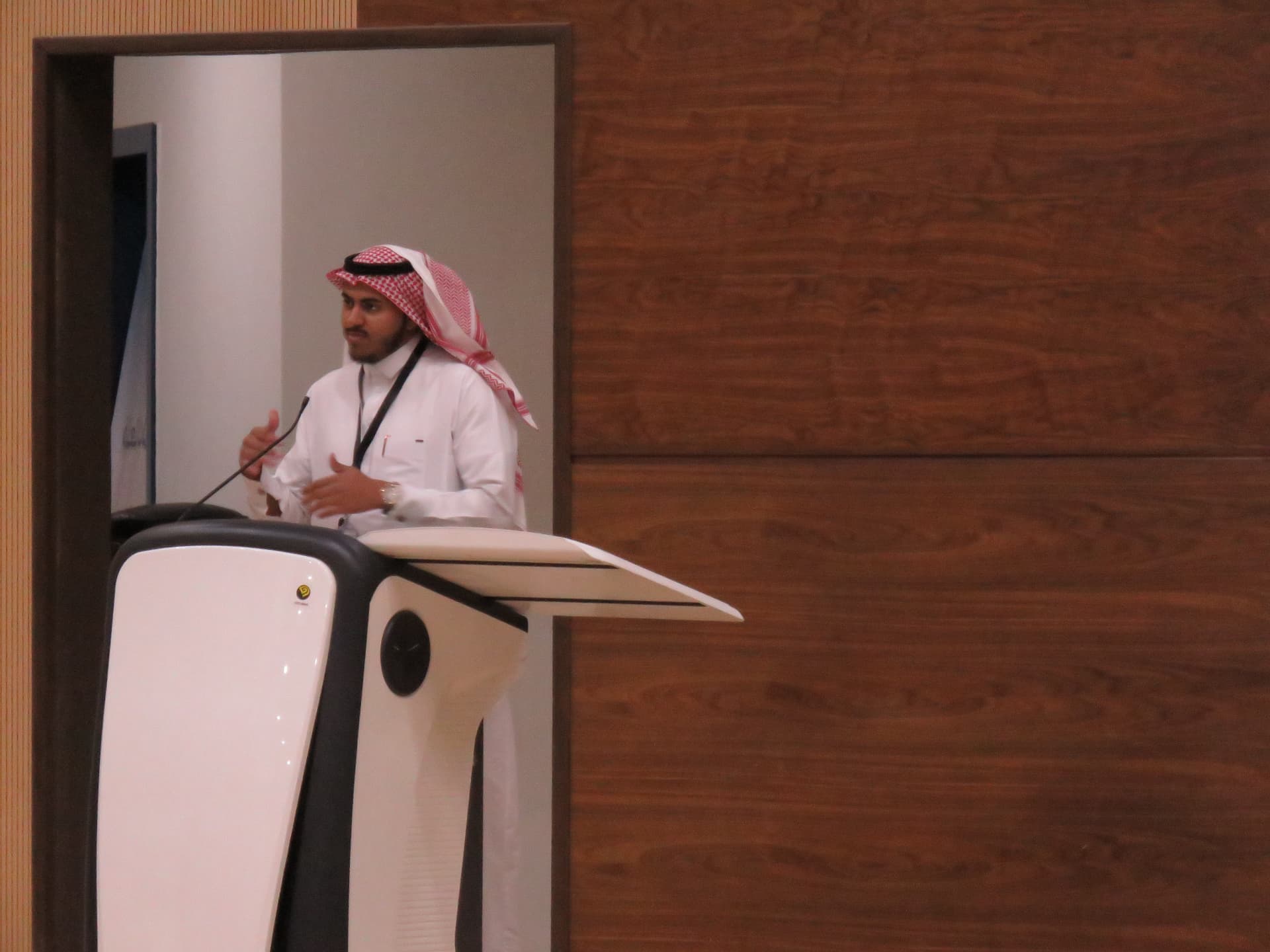
Workshops, design labs and sessions on capability building, delivery discipline and moving strategy into executable work — in Arabic and English.

  • Executive and team workshops
  • Program and curriculum design labs
  • Professional community and panel sessions
Facilitation & Workshops

Have a need in mind?

Send a short brief and we can work out whether — and how — I can help.